Fortifications and palaces. Temples, mosques and tombs. Water, streets and everyday places. Every community receives the same care and standards of evidence.
“Under research” entries preserve local names and questions. Their inclusion does not establish a date, identity or exact location.
Thomas Fraser · British Library · Wikimedia Commons · CC BY-SA 4.0DOCUMENTED
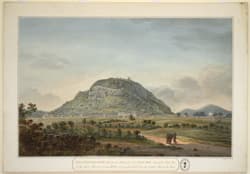
The fort is documented in archaeological registers and early nineteenth-century surveys. Its rocky setting and successive defensive works connect several periods of the town’s history.
The hill’s upper defensive area belongs to the wider fort landscape. Comparing the historic survey with a measured site survey is necessary to identify individual remains.
Explore story ↗Thomas Fraser · British Library · Wikimedia Commons · CC BY-SA 4.0DOCUMENTED
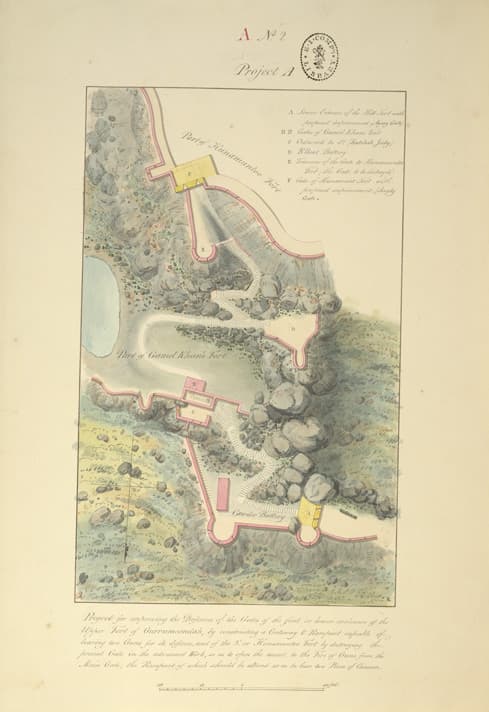
The gateway appears in the protected remains. British plans for improving the gates survive as archival records; a proposal is not proof that every change was executed.
The British Library catalogues a plan for improving a small battery in the Ranamandal Fort. This establishes the archival name and proposed defensive work.
Explore story ↗Archaeological Survey of India (Commons attribution) · Wikimedia Commons · CC BY-SA 4.0SUPPORTED
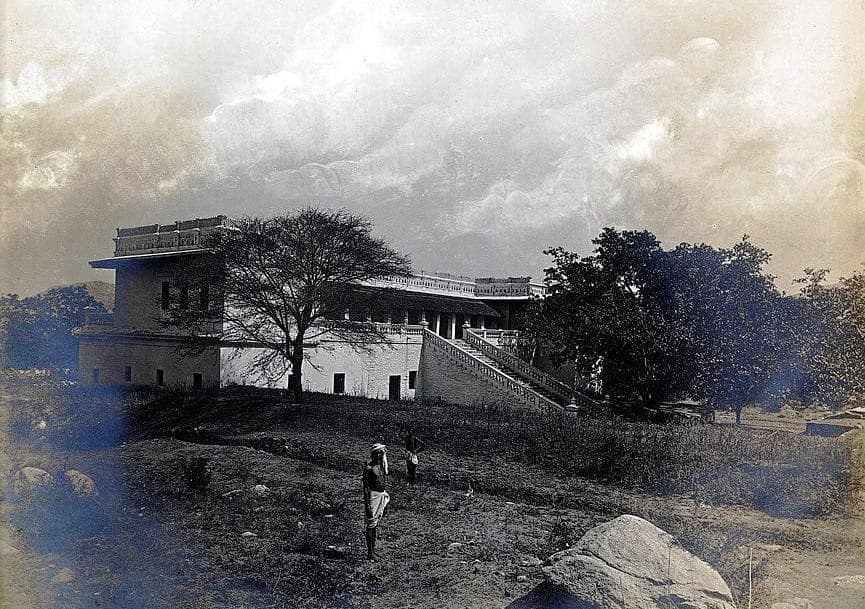
A substantial palace at Gurramkonda was surveyed in the British Library’s Fraser series. Connecting every part of the surviving Rangin or Rangini Mahal to those plans requires careful architectural comparison.
The Chittoor gazetteer records Mir Ali Raza Khan’s burial at the foot of the fort. His tomb association is retained, while the exact inscription, death date and building patron need further review.
A named local research subject supplied to this initiative. Its identity, date and history have not yet been established by the archive’s reviewed sources.
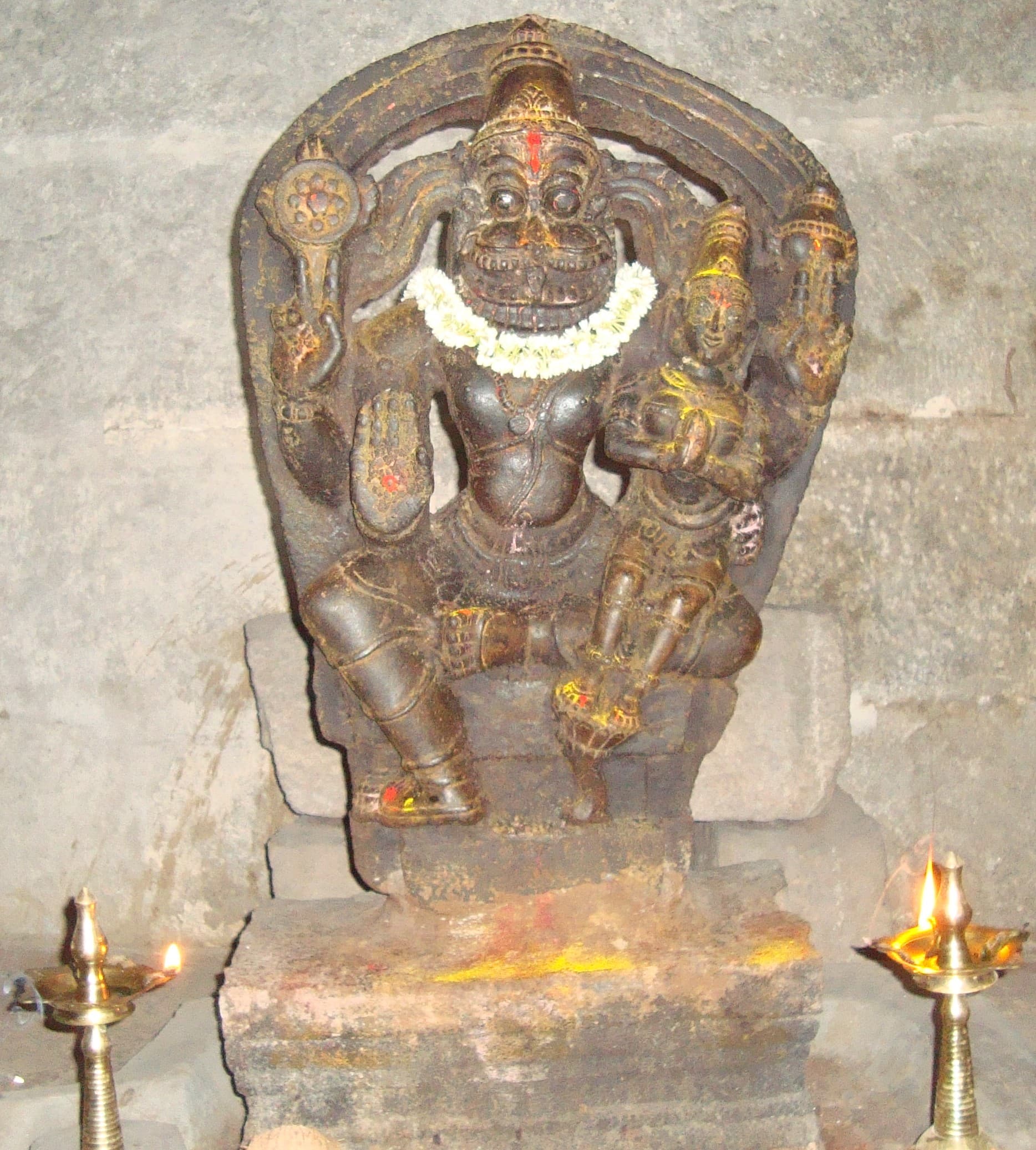
A public-domain photograph identifies a Narasimha relief at Gurramkonda. It does not establish a temple exterior, original construction date or builder.
An old mosque is included in the protected-monument register. Individual names and building histories need separate documentation; a tomb must not be labelled a mosque.
The protected-monument register includes an old mandapam at Gurramkonda. The contributed pillar photographs have not been securely matched to that structure.
Tanks, channels and other water structures are subjects for a measured and source-based survey. Their individual identities and dates are not yet established.
Bastions appear in historical accounts of the fort’s defences. Matching particular surviving structures to named siege episodes requires more evidence.
The moat is included in the protected-monument register. Its original extent, water supply and construction chronology remain questions for field research.
Streets and everyday places are essential to the town’s memory. Street names, changes and family associations can be documented through dated photographs and consented oral accounts.
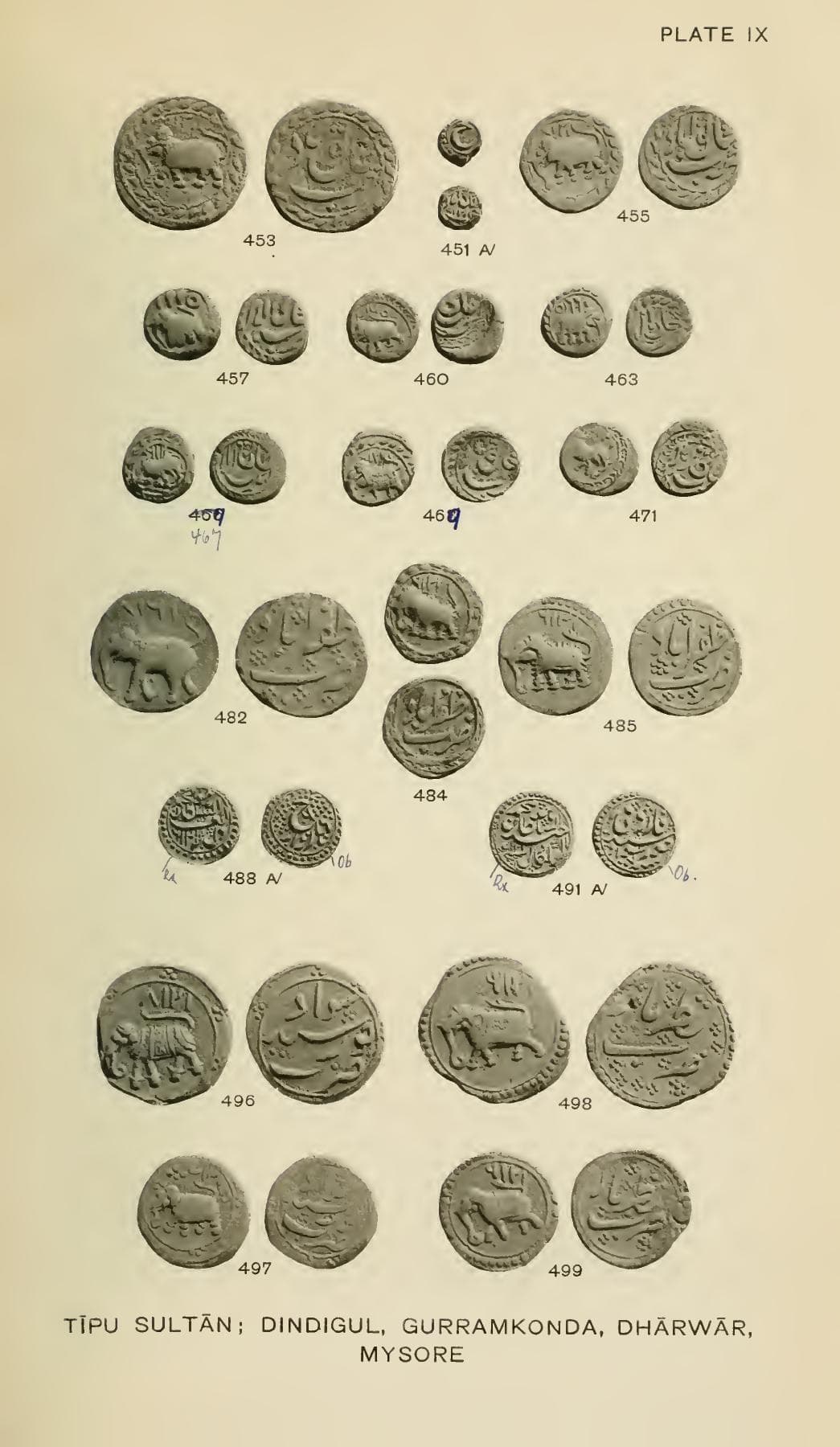
Explore story ↗J. R. Henderson · The Coins of Haidar Ali and Tipu Sultan, 1921 · Plate IX · Internet ArchiveDOCUMENTED
Protected remains, survey names and local identifications are different kinds of evidence. These records describe a landscape; they do not supply an invented walking map.
A military magazine is ammunition or powder storage; it should not be relabelled a grain granary.
This is an editorial terminology note, not a site identification. A proposed or described military facility does not identify the function of an unverified surviving ruin. Local names and archaeological function are separate questions.
Sources & Further Reading (0)
No verified source has yet been attached. This entry preserves a research question, not an established historical claim.
RESEARCH LEAD
Ruined Structure near Rangini Mahal: a possible granary identification remains unverified.
The project’s local research brief records the possible granary name. No survey, inscription or archival identification has yet been attached; no location pin is shown.
Sources & Further Reading (0)
No verified source has yet been attached. This entry preserves a research question, not an established historical claim.
Centre Fort Wall, Old Muhammadan Tomb, Hanuman Temple, barracks and magazines remain distinct survey questions in this expansion. They are not silently equated with the principal maqbara or pinned to assumed positions.
How we classify history
DOCUMENTED
Supported by an identified record, institutional catalogue or strong scholarship. The label applies to the stated claim, not every detail of its subject.
SUPPORTED
Credible evidence exists; important details still need corroboration.
CONFLICTING EVIDENCE
Sources disagree. Their differences remain visible rather than being combined into a new certainty.
ORAL TRADITION
A cultural, devotional or locally preserved account; not established documentary history.
RESEARCH LEAD
A question or clue awaiting evidence. It is not a factual conclusion.